
Decoding Design: Exploring UI Design, UX Design, and Their Synergy

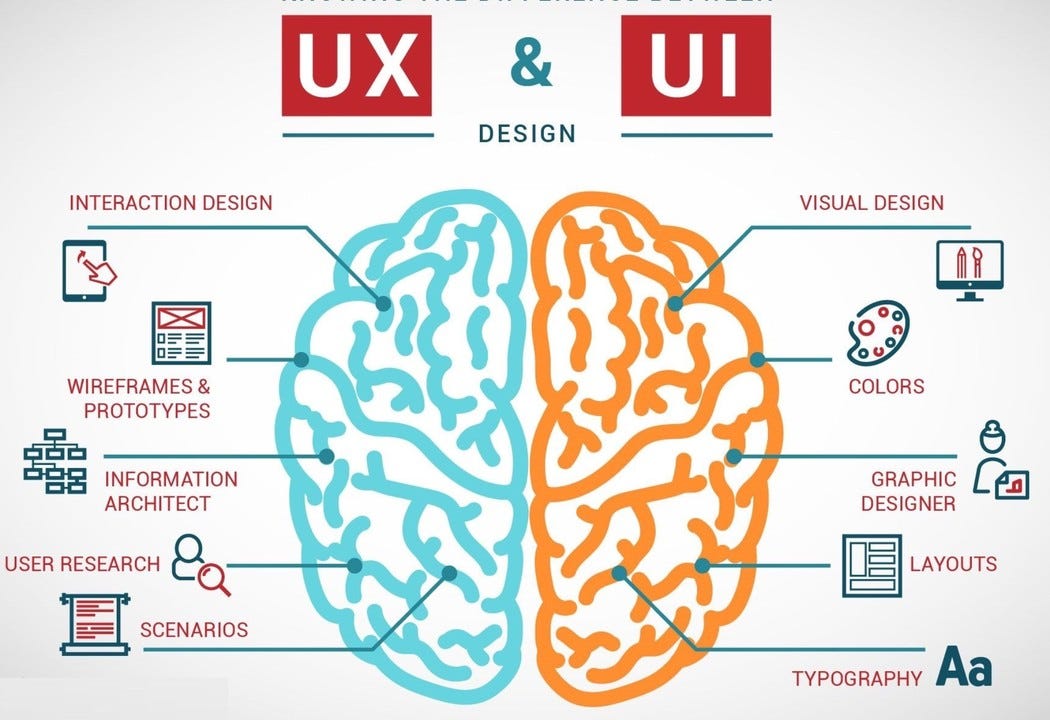
UI Design, which stands for User Interface Design, focuses on the visual and interactive elements of a digital product or system. It involves designing the graphical user interface (GUI) components, such as buttons, menus, icons, and layout, to ensure they are aesthetically pleasing, intuitive, and easy to use.

UI design is concerned with creating visually appealing interfaces that effectively communicate the product’s or system’s functionality and content. It involves selecting appropriate colours, typography, imagery, and other visual elements to create a cohesive and engaging user interface. UI designers also work on the placement and arrangement of interactive elements to enhance usability and guide users through the interface.

On the other hand, UX Design, which stands for User Experience Design, focuses on the overall experience of users when interacting with a product, service, or system. It encompasses a broader scope, including not only the visual aspects but also the usability, accessibility, and overall satisfaction of the user.

UX design involves understanding users’ needs, goals, and behaviours and designing the product or system to meet those needs effectively. It encompasses various elements, such as user research, information architecture, wireframing, prototyping, and usability testing. UX designers aim to create a seamless and meaningful experience for users, ensuring that they can achieve their objectives efficiently and with satisfaction.

In essence, while UI design focuses on the look and feel of the interface, UX design takes a more holistic approach, considering the entire user journey and the emotions, motivations, and perceptions of the users. UX designers strive to optimize the usability, accessibility, and overall satisfaction of the user by designing intuitive workflows, clear navigation, and engaging interactions.

To summarize, UI design primarily deals with the visual and interactive aspects of a digital product or system, whereas UX design encompasses the overall experience, usability, and satisfaction of the users. Both UI and UX design are essential and work hand in hand to create exceptional user experiences.

Crafting Seamless Experiences: The Essence of User Experience (UX) Design

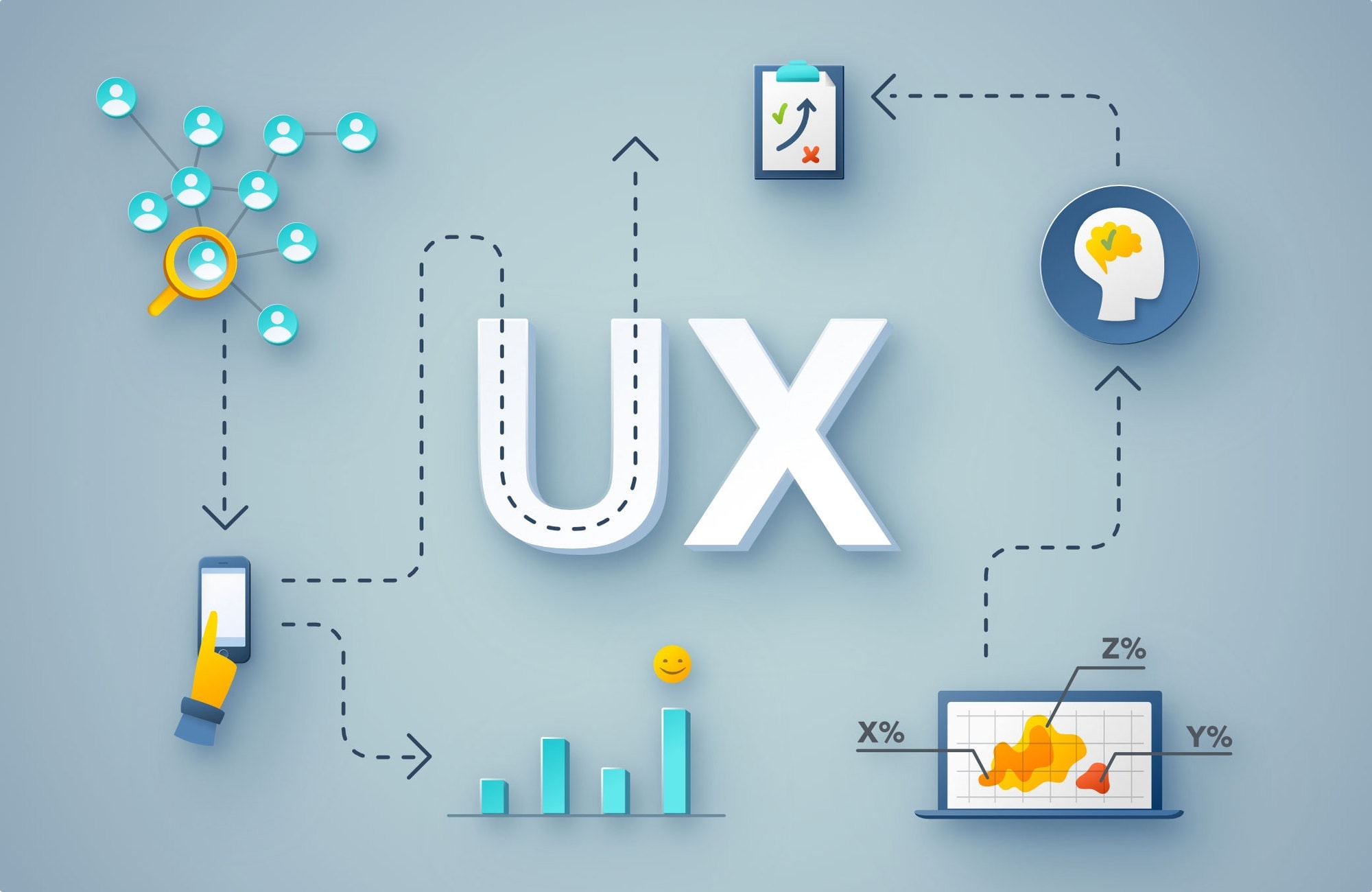
User experience (UX) refers to the overall experience a person has when interacting with a product, service, or system. It encompasses the emotions, perceptions, behaviors, and satisfaction levels of users as they engage with a particular interface or platform. The goal of UX design is to create a positive and meaningful experience that meets the user’s needs and expectations.

A good user experience is intuitive, seamless, and enjoyable. It focuses on understanding the user’s goals and providing them with a user-friendly interface, clear navigation, and relevant content. It involves considering factors such as ease of use, accessibility, responsiveness, visual design, and interactivity.

Key elements that contribute to a positive user experience include:

  1. Usability: A product or service should be easy to understand and navigate. Users should be able to accomplish tasks efficiently, without confusion or frustration. Clear instructions, intuitive layouts, and well-designed interfaces enhance usability.
  2. Accessibility: Users should have equal access to the product or service, regardless of their abilities or disabilities. Accessibility considerations ensure that individuals with visual impairments, hearing impairments, mobility limitations, or cognitive disabilities can effectively use and interact with the interface.
  3. Consistency: Consistency in design and interaction patterns helps users quickly learn and understand how to use a product. Elements such as color schemes, typography, iconography, and navigation should be consistent throughout the interface to create a cohesive and familiar experience.
  4. Visual Design: An aesthetically pleasing and visually engaging design enhances the user experience. Thoughtful use of colors, typography, imagery, and whitespace can create a visually appealing interface that is easy to scan and understand.
  5. Feedback and Responsiveness: Providing users with timely feedback and clear indications of their actions helps them understand the system’s response. Real-time updates, progress indicators, and error messages contribute to a sense of control and confidence in using the product or service.
  6. Personalization: Tailoring the experience to the user’s preferences and needs can greatly enhance the user experience. Offering customization options, personalized recommendations, and adaptive interfaces creates a more personalized and engaging experience.

A positive user experience is crucial for businesses and organizations as it directly impacts user satisfaction, engagement, and loyalty. A well-designed and intuitive user experience can lead to increased customer retention, higher conversion rates, positive word-of-mouth referrals, and overall business success. By understanding and prioritizing the needs of users, organizations can create products and services that truly resonate with their target audience and differentiate themselves in the market.