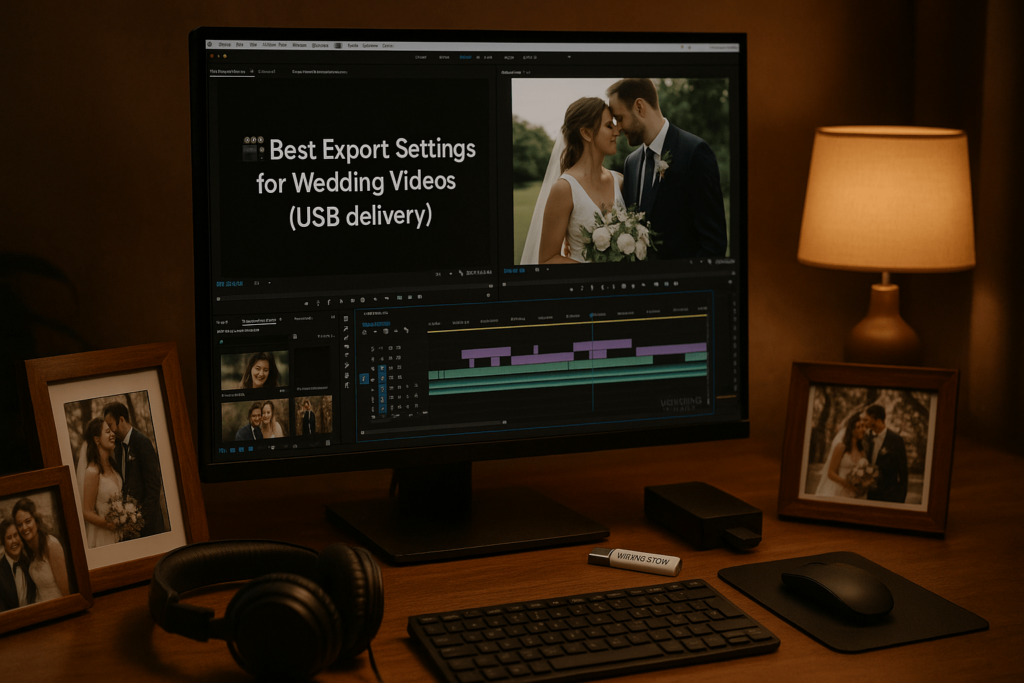
🎥 Best Export Settings for Wedding Videos (USB delivery)

âś… Format:

H.264 (.mp4) — Most universally supported across TVs and USB media players.

âś… Resolution:

  • 4K: 3840 x 2160 (if shot in 4K and client expects UHD quality)
  • Full HD: 1920 x 1080 (standard and widely compatible)

⚠️ Check if the TV/player supports 4K. If unsure, stick to 1080p.

âś… Frame Rate:

Match your timeline (typically 25 fps or 30 fps, depending on country)

âś… Bitrate (VBR 1-pass or 2-pass):

  • 4K: 35–60 Mbps
  • 1080p: 10–20 Mbps

Use VBR 2-pass if you want better quality and smaller file size.

âś… Audio:

  • AAC, 48 kHz, 320 kbps

âś… File Size Consideration:

  • If the pendrive is FAT32 formatted, the file must be under 4GB.
    • You may need to split the video into multiple parts or reformat the USB.
  • For larger single files, reformat the pendrive to exFAT (supported by most modern TVs).


đź’ˇ Recommended Export Preset in Premiere Pro or Final Cut:

  • Format: H.264
  • Preset: Match Source – High Bitrate
  • Profile: High
  • Level: 4.2 (for 1080p), 5.1 (for 4K)


âś… Final Tip:

  • Name the file clearly, e.g. Claire_&_Mark_Wedding_2025.mp4
  • Test the exported video on a TV via USB before giving it to the client.


🎥 Ideal Bitrate for 4K Wedding Videos (2025)

âś… Target Range (for H.264 .mp4 export):

  • Standard 4K (3840 x 2160):
    • Bitrate: 40 to 65 Mbps (VBR 1-pass or 2-pass)
    • Sweet spot for weddings: 50 Mbps average
    • Max bitrate: Up to 75 Mbps if you want premium quality and file size isn’t a concern

📌 For a 60–90 min wedding film, this results in a file size of around 20–30 GB.

âś… If using H.265 (HEVC):

  • You can get similar quality at 50% lower bitrate, e.g. 25–35 Mbps.

🎯 Use H.265 only if you know the client’s TV supports it — not all older TVs or USB players do.


đź§  Bitrate Recommendations by File Type

CodecResolutionBitrateFile Size per HourCompatibility
H.2644K50 Mbps~22 GBExcellent
H.2654K25–30 Mbps~12–14 GBGood (new TVs only)
ProRes LT4K~85–100 Mbps~40–45 GBMac & pro use only

⚙️ Other Settings to Consider:

  • Audio: AAC, 48 kHz, 320 kbps
  • Profile: High
  • Level: 5.1 (for 4K)


đź’ˇ Final Tips:

  • Format USB as exFAT (to avoid FAT32’s 4GB file limit).
  • Stick with H.264 50 Mbps if unsure about compatibility.
  • Test on a real TV before final delivery.

The best USB pendrive format to ensure full compatibility with both Windows and macOS (including modern Smart TVs) is:

âś… exFAT (Extended File Allocation Table)

🔹 Why exFAT?

  • Works on both Windows and Mac without extra drivers.
  • Supports files larger than 4GB (unlike FAT32).
  • Compatible with most modern Smart TVs, especially post-2018.
  • More stable for video playback, especially high-bitrate 4K.


🛠️ How to Format USB to exFAT

🔸 On Windows:

  1. Plug in your USB stick.
  2. Open File Explorer > Right-click on the USB drive.
  3. Choose Format.
  4. Under File System, select exFAT.
  5. Keep Allocation Unit Size as Default.
  6. Click Start.

🔸 On macOS:

  1. Open Disk Utility.
  2. Select the USB stick from the left sidebar.
  3. Click Erase.
  4. Choose:
    • Format: exFAT
    • Scheme: GUID Partition Map (for better cross-compatibility)
  5. Click Erase.


⚠️ Avoid These Formats:

  • FAT32: Too old. Doesn’t support files over 4GB.
  • NTFS: Windows-only. Mac can only read, not write.
  • APFS/Mac OS Extended: macOS-only. Windows can’t read these natively.
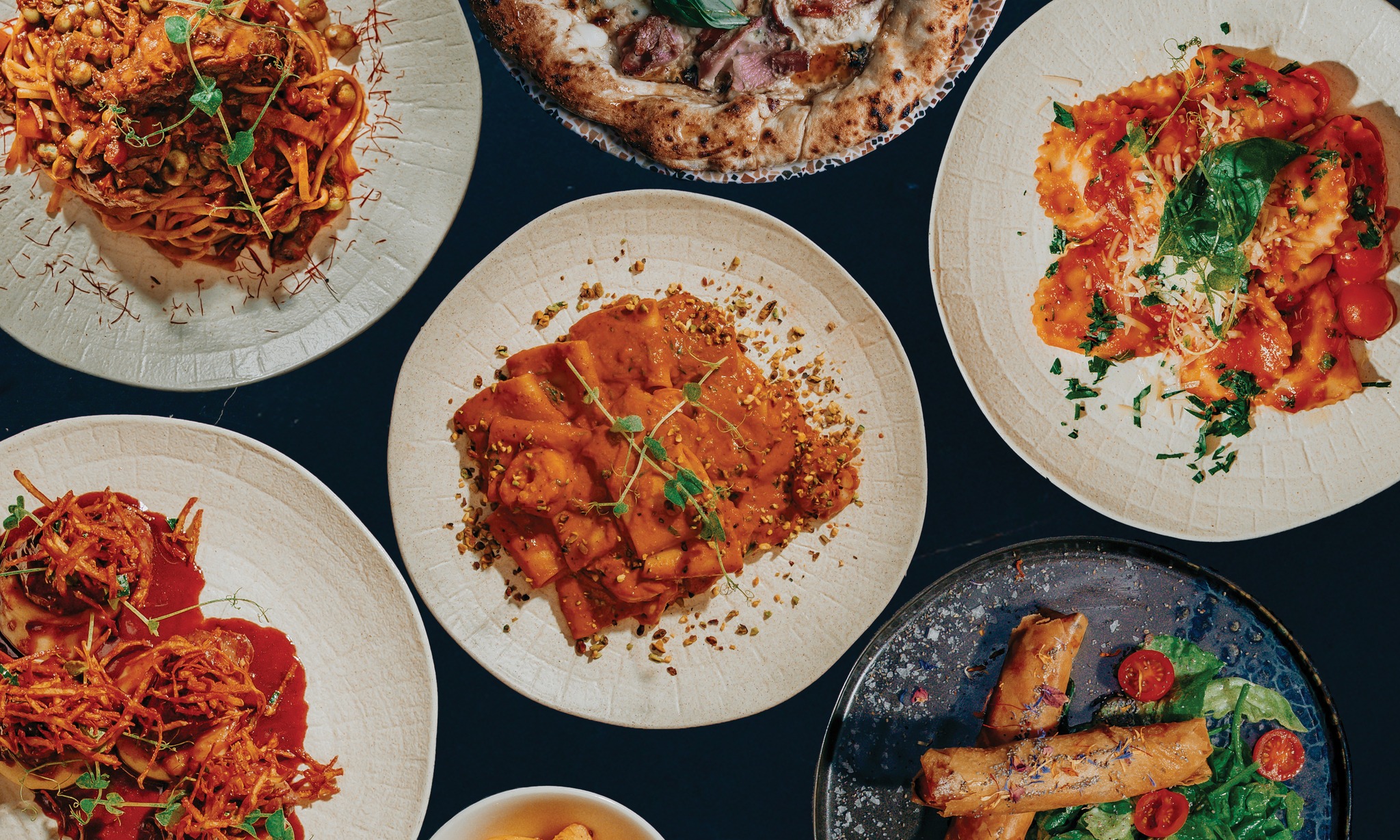
The Marketing of Restaurants in Malta in 2025: Trends & Innovations to Watch

As Malta’s food scene continues to evolve, so does the way restaurants market themselves to a growing number of food enthusiasts, both locals and tourists alike. With more competition in Valletta, Sliema, and beyond, restaurants need to think creatively and stay ahead of trends to capture the attention of a diverse clientele. Let’s take a look at what’s shaping restaurant marketing in Malta in 2025.

1. The Rise of Digital Dining Experiences

In 2025, digital marketing and technology are playing a pivotal role in shaping how restaurants engage with customers. Gone are the days of relying solely on word-of-mouth or print ads. Today, restaurants in Malta are embracing social media platforms, websites, and apps to offer customers a seamless and interactive dining experience.

  • Social Media Domination: Instagram and Facebook are the go-to platforms for food lovers. With stunning food photography, Instagram stories, and behind-the-scenes glimpses, restaurants can showcase their dishes, specials, and atmosphere to captivate an audience. The key is to create content that is visually appealing and shareable.
  • Online Booking Systems: Restaurants are increasingly implementing user-friendly online booking systems through their websites or apps, allowing diners to reserve tables effortlessly. This is crucial for busy restaurants in Malta, especially during peak tourist seasons.
  • Google My Business: As more people turn to their smartphones to search for nearby eateries, having an optimised Google My Business listing is crucial. Accurate information, like your opening hours, address, menu, and customer reviews, ensures that your restaurant stands out.

2. Personalisation & Loyalty Programs

Customers in Malta are seeking personalised dining experiences, and restaurants are responding by tailoring marketing to meet individual preferences. Personalisation isn’t just about addressing a customer by name; it’s about creating a customised experience that feels special.

  • Loyalty Schemes: Many restaurants in Malta are introducing loyalty programmes that reward repeat customers. This could range from offering a free drink or dessert on a customer’s birthday, to accumulating points for discounts on future meals. These programmes foster customer loyalty and encourage diners to return regularly.
  • Targeted Promotions: By collecting data through booking systems or loyalty apps, restaurants can send personalised offers and promotions. For instance, a returning customer who previously dined on the terrace could be sent an exclusive offer for a romantic dinner under the stars.

3. Sustainable and Local Sourcing Messaging

In 2025, sustainability is no longer just a trend—it’s an expectation. More restaurants in Malta are embracing sustainability, from sourcing locally grown ingredients to minimising food waste. And consumers are taking notice.

  • Showcasing Local Ingredients: Many diners are now more conscious about where their food comes from, and they want to support local businesses. Restaurants that proudly display their commitment to using fresh, locally sourced produce are sure to attract environmentally-conscious customers.
  • Eco-friendly Initiatives: Restaurants in Malta are also adopting eco-friendly practices such as eliminating single-use plastic, offering compostable packaging for takeaways, and reducing food waste through charitable donations or partnerships with food banks.

Marketing these efforts on social media, websites, and menus can help establish a restaurant’s commitment to the environment, appealing to today’s socially responsible diner.

4. The Experience Economy: More Than Just Dining

While the food is important, diners are increasingly looking for a full experience. Restaurants are now becoming destinations in their own right, offering much more than just a meal.

  • Themed Events: From wine-tasting evenings to live music or chef’s tables, events have become an essential marketing tool. Restaurants in Malta are leaning into the experience economy by hosting exclusive events that create lasting memories for customers.
  • Instagrammable Moments: It’s no secret that people love to share their dining experiences on social media. Restaurants are capitalising on this by creating “Instagrammable” moments—whether it’s a unique food presentation, a beautifully decorated interior, or an outdoor terrace with stunning views.
  • Immersive Dining: This could include interactive cooking classes, private dinners with the chef, or unique tasting menus that offer customers a deeper dive into the culinary world. By offering immersive experiences, restaurants can market themselves as more than just places to eat, but as places to make memories.

5. Influencer Partnerships and User-Generated Content

Malta’s vibrant food scene has captured the attention of influencers both locally and internationally. Restaurants are now more likely than ever to collaborate with food bloggers, influencers, and local personalities to create buzz.

  • Influencer Marketing: Influencers in Malta are being invited to experience restaurants in exchange for social media posts, reviews, and shout-outs. A well-executed influencer partnership can quickly build awareness and credibility for a restaurant, especially among younger, tech-savvy diners.
  • User-Generated Content: Encouraging customers to post their experiences on social media and tag the restaurant is an effective way to generate organic content. User-generated content not only creates authentic testimonials but also extends a restaurant’s reach beyond its own followers.

6. The Role of Online Reviews

Word-of-mouth remains a powerful tool in the restaurant industry, and online reviews have taken this concept to the next level. In 2025, positive reviews on platforms like TripAdvisor, Google, and Facebook are essential to a restaurant’s success.

  • Customer Feedback: Actively engaging with customers online, thanking them for positive reviews, and addressing any complaints with grace, is crucial for maintaining a good reputation.
  • Reputation Management: Restaurants are increasingly using reputation management software to monitor reviews and ensure that they respond quickly and appropriately to any concerns. With so much competition in the market, a restaurant’s online presence can make or break its success.

7. The Importance of Mobile-Friendly Websites

With more people turning to smartphones to make restaurant reservations, view menus, and check reviews, having a mobile-optimised website is a must. A mobile-friendly website ensures that potential customers have a smooth, frustration-free experience when browsing your offerings.

  • Optimised Menus: Having a clear, easy-to-read menu is essential for any restaurant marketing strategy. It helps customers make decisions quickly and encourages them to book a table or place an order.
  • Easy Booking: A seamless booking system that works across devices makes it easier for customers to reserve a spot at your restaurant without hassle.

8. Vertical Videos: The King of Social Media Engagement

With the dominance of TikTok, Instagram Reels, Facebook Stories, and YouTube Shorts, vertical videos have become one of the most powerful marketing tools for restaurants. They offer high engagement, reach, and shareability, making them perfect for showcasing the experience, atmosphere, and food of a restaurant in a way that static images or long-form videos can’t.

Why Vertical Videos Work for Restaurants?

  • Mobile-First Format 📱 – Most users browse social media on their phones, and vertical videos naturally fit the screen.
  • Short & Engaging ⏳ – Quick, snappy content keeps audiences hooked and encourages interaction.
  • Higher Reach & Visibility 🚀 – Platforms like Instagram, Facebook, and TikTok prioritise video content, increasing chances of viral marketing.
  • Authenticity & Connection ❤️ – Behind-the-scenes content, chef interactions, and customer testimonials feel more real and personal.

Types of Vertical Videos for Restaurants in Malta

  1. Food Preparation & Plating Videos 🍽️
    • Show off mouth-watering food prep, from sizzling grills to creamy pasta being twirled.
    • Use close-ups to highlight textures and colours.
    • Add slow-motion or quick cuts for dynamic storytelling.
  2. Behind-the-Scenes Footage 👨‍🍳
    • Feature chefs in action, bartenders mixing cocktails, or the morning prep before opening.
    • Show off fresh local ingredients sourced from Maltese markets.
  3. Customer Reactions & Testimonials 🎤
    • Capture authentic reviews from diners enjoying their meals.
    • Use short, fun interviews or reactions after their first bite.
  4. Day-to-Night Transformations 🌅🌙
    • Show how your restaurant looks in daylight vs. evening for different vibes.
    • Highlight live music, candlelit dinners, or cocktail hours.
  5. Limited-Time Offers & Promotions 🎉
    • Announce exclusive deals, happy hours, or seasonal specials in a fast-paced, engaging way.
  6. User-Generated Content (UGC) & Influencer Collaborations 🤳
    • Encourage guests to tag your restaurant in their stories.
    • Repost and share their vertical videos to boost engagement.
  7. Event Highlights & Themed Nights 🎶
    • Record snippets of live entertainment, wine tastings, or festive celebrations.
    • Add catchy music and captions to make them more engaging.
  8. Staff Spotlights & Fun Challenges 🏆
    • Introduce your team with short personality clips.
    • Participate in viral food trends or TikTok challenges to stay relevant.

How to Make the Most of Vertical Videos?

  • Keep it Short & Snappy – Aim for 6-15 seconds for maximum engagement.
  • Use Captions & Subtitles – Many people watch without sound, so add text overlays.
  • Leverage Trending Sounds – Use popular music or audio clips to increase reach.
  • Consistent Posting – Regularly upload videos to keep your audience engaged.
  • Cross-Post – Share on Instagram Reels, TikTok, Facebook Stories, and YouTube Shorts.

Final Thought: Don’t Sleep on Vertical Video!

If your restaurant isn’t using vertical videos, you’re missing out on a massive opportunity to connect with locals and tourists alike. It’s the fastest way to showcase your brand’s personality, attract diners, and boost engagement online.

Final Thoughts

In 2025, restaurant marketing in Malta is all about staying ahead of the curve by embracing digital tools, personalised experiences, and sustainability. Restaurants that can master the art of creating memorable dining experiences while staying true to local culture will continue to thrive in an increasingly competitive market. Whether it’s through social media engagement, loyalty programmes, or offering unique culinary experiences, one thing is clear: the future of restaurant marketing is dynamic, innovative, and customer-centric.

Want to take your restaurant marketing to the next level? Let us create engaging vertical videos, eye-catching content, and strategic campaigns to attract more diners—let’s make your brand stand out together! 🚀📲

Decoding Design: Exploring UI Design, UX Design, and Their Synergy

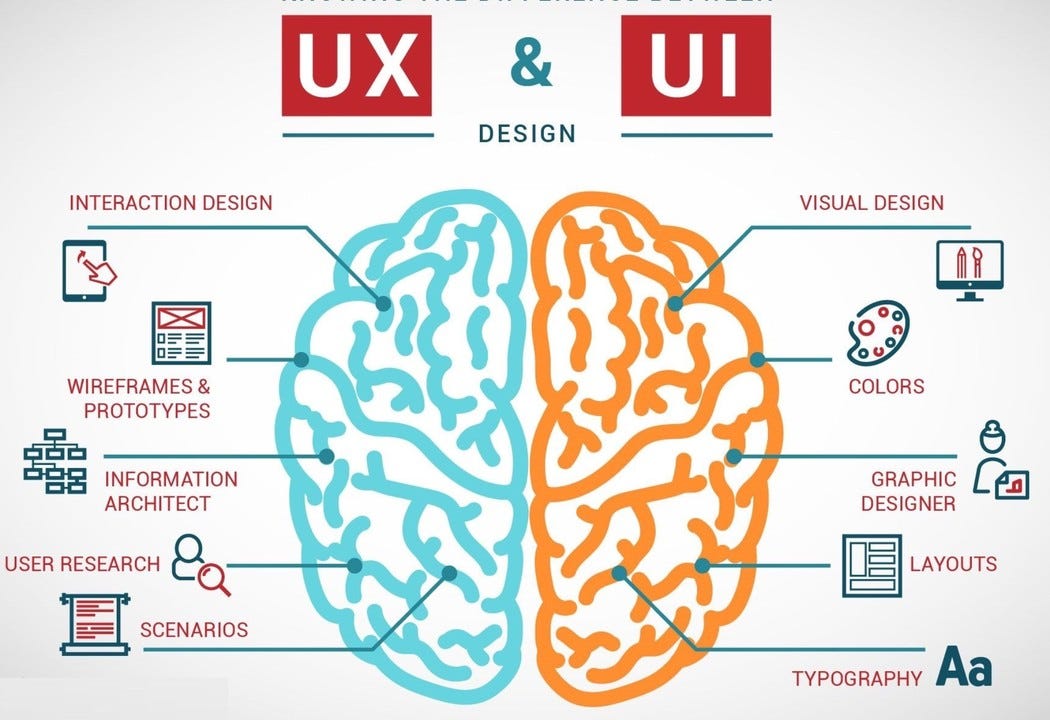
UI Design, which stands for User Interface Design, focuses on the visual and interactive elements of a digital product or system. It involves designing the graphical user interface (GUI) components, such as buttons, menus, icons, and layout, to ensure they are aesthetically pleasing, intuitive, and easy to use.

UI design is concerned with creating visually appealing interfaces that effectively communicate the product’s or system’s functionality and content. It involves selecting appropriate colours, typography, imagery, and other visual elements to create a cohesive and engaging user interface. UI designers also work on the placement and arrangement of interactive elements to enhance usability and guide users through the interface.

On the other hand, UX Design, which stands for User Experience Design, focuses on the overall experience of users when interacting with a product, service, or system. It encompasses a broader scope, including not only the visual aspects but also the usability, accessibility, and overall satisfaction of the user.

UX design involves understanding users’ needs, goals, and behaviours and designing the product or system to meet those needs effectively. It encompasses various elements, such as user research, information architecture, wireframing, prototyping, and usability testing. UX designers aim to create a seamless and meaningful experience for users, ensuring that they can achieve their objectives efficiently and with satisfaction.

In essence, while UI design focuses on the look and feel of the interface, UX design takes a more holistic approach, considering the entire user journey and the emotions, motivations, and perceptions of the users. UX designers strive to optimize the usability, accessibility, and overall satisfaction of the user by designing intuitive workflows, clear navigation, and engaging interactions.

To summarize, UI design primarily deals with the visual and interactive aspects of a digital product or system, whereas UX design encompasses the overall experience, usability, and satisfaction of the users. Both UI and UX design are essential and work hand in hand to create exceptional user experiences.

Crafting Seamless Experiences: The Essence of User Experience (UX) Design

User experience (UX) refers to the overall experience a person has when interacting with a product, service, or system. It encompasses the emotions, perceptions, behaviors, and satisfaction levels of users as they engage with a particular interface or platform. The goal of UX design is to create a positive and meaningful experience that meets the user’s needs and expectations.

A good user experience is intuitive, seamless, and enjoyable. It focuses on understanding the user’s goals and providing them with a user-friendly interface, clear navigation, and relevant content. It involves considering factors such as ease of use, accessibility, responsiveness, visual design, and interactivity.

Key elements that contribute to a positive user experience include:

  1. Usability: A product or service should be easy to understand and navigate. Users should be able to accomplish tasks efficiently, without confusion or frustration. Clear instructions, intuitive layouts, and well-designed interfaces enhance usability.
  2. Accessibility: Users should have equal access to the product or service, regardless of their abilities or disabilities. Accessibility considerations ensure that individuals with visual impairments, hearing impairments, mobility limitations, or cognitive disabilities can effectively use and interact with the interface.
  3. Consistency: Consistency in design and interaction patterns helps users quickly learn and understand how to use a product. Elements such as color schemes, typography, iconography, and navigation should be consistent throughout the interface to create a cohesive and familiar experience.
  4. Visual Design: An aesthetically pleasing and visually engaging design enhances the user experience. Thoughtful use of colors, typography, imagery, and whitespace can create a visually appealing interface that is easy to scan and understand.
  5. Feedback and Responsiveness: Providing users with timely feedback and clear indications of their actions helps them understand the system’s response. Real-time updates, progress indicators, and error messages contribute to a sense of control and confidence in using the product or service.
  6. Personalization: Tailoring the experience to the user’s preferences and needs can greatly enhance the user experience. Offering customization options, personalized recommendations, and adaptive interfaces creates a more personalized and engaging experience.

A positive user experience is crucial for businesses and organizations as it directly impacts user satisfaction, engagement, and loyalty. A well-designed and intuitive user experience can lead to increased customer retention, higher conversion rates, positive word-of-mouth referrals, and overall business success. By understanding and prioritizing the needs of users, organizations can create products and services that truly resonate with their target audience and differentiate themselves in the market.

The Cost of Keeping Up: The Price of Evolving Technology in Creative Professions

Today’s fast world is matched only by the lightning-fast pace at which technology is developing. As creative professionals such as graphic designers, photographers, videographers, and digital marketers, we are always expanding our knowledge base, refining our techniques, and improving our equipment. The price of maintaining a state of technological and cultural relevance is high, though.


Professionals in these sectors devote a great deal of time and money to providing clients with the best possible service and staying ahead of the competition. Due to the ever-changing technological landscape, we must regularly update our hardware, software, and other resources to ensure optimal performance.


Mastering cutting-edge methods and tools sometimes involves a steep learning curve. Photographers need to use modern cameras and editing software; videographers must master new filming and editing methods; and digital marketers must keep up with ever-changing algorithms and advertising platforms.


Keeping up with technology also calls for a hefty financial commitment. The price tag includes everything from new technology and software to workshops, conferences, licencing, subscriptions, and specialised training. As professionals, it is our responsibility to make these payments and maintain a financially stable company.


Consider not only the final product or service when thinking about the hourly rates paid by specialists in various industries. A lot of time, energy, and money are put in behind the scenes to ensure a high-quality result. Charges are reflective of the time, money, and effort required to maintain the highest levels of expertise and knowledge in one’s field.


Clients and customers must understand the value that these experts bring to the table. A better understanding of the price structure and the development of a mutually beneficial relationship between service providers and clients can be fostered by recognising the substantial investment required to stay current and achieve great results.

Empowering Businesses and Events Through Creative Design Solutions

A graphic designer is a professional who combines art and technology to create visual communication materials. They use various design elements, such as typography, colour theory, imagery, and layout techniques, to convey messages and information effectively. Graphic designers work across different mediums, including print, digital platforms, advertising, branding, and more.

History of Graphic Design: The roots of graphic design can be traced back to ancient times when early civilizations used symbols and pictographs to communicate messages. However, the modern concept of graphic design emerged during the Industrial Revolution in the 18th and 19th centuries. With the advancement of printing technology, graphic design became essential for advertising, packaging, and other forms of visual communication.

During the 20th century, graphic design evolved significantly with the influence of art movements like Art Nouveau, Bauhaus, and the Swiss Style. These movements emphasized simplicity, functionality, and the use of grid systems, which had a profound impact on graphic design principles.

The introduction of computers and digital tools in the 1980s revolutionized the field of graphic design. Designers began using software like Adobe Photoshop, Illustrator, and InDesign, which allowed for more precise and efficient creation of visual materials. The rise of the internet and digital media further expanded the scope of graphic design, creating new opportunities and challenges for designers.

My Experience as a Graphic Designer: My eight years of experience as a graphic designer working on diverse projects have provided me with valuable insights and skills. Designing MITA annual reports, recruitment designs, website design and development, restaurant menus, logo designs, price lists, signs, brand guidelines and more demonstrates my versatility as a designer.

Through my work on annual reports, I have likely honed my skills in creating visually appealing and informative layouts that effectively present complex data. The recruitment designs I’ve worked on might have involved developing eye-catching posters, brochures, or digital assets to attract potential candidates and communicate the organisation’s values.

My involvement in website design and development has likely given me a deep understanding of user experience (UX) and user interface (UI) design principles. As a UX/UI designer, I focus on creating intuitive and user-friendly interfaces that enhance the overall experience for website visitors or application users.

My experience in designing restaurant menus showcases my ability to create visually appealing layouts that entice customers and effectively present menu items and prices. Menu design often requires careful consideration of typography, colour schemes, and imagery to create a cohesive and appealing visual experience.

As a graphic designer, I have played a crucial role in helping corporate entities by providing them with impactful design solutions. My expertise has been instrumental in creating professional branding materials, such as logos, business cards, brand guidelines and corporate stationery, which establish a strong visual identity for these companies. Additionally, I have contributed to their marketing efforts by designing eye-catching brochures, flyers, and digital assets that effectively communicate their products or services to their target audience. Through my designs, you have helped corporate entities enhance their brand image, attract customers, and stand out in a competitive market.

Furthermore, my logo design experience highlights my ability to distil complex concepts into simple and memorable visual representations. Logos are vital for brand recognition, and my expertise in crafting unique and impactful logos is valuable in establishing a strong visual identity for businesses and organisations.

Mastering the Art of Logo Design and Rebranding: Creating Memorable Identities in the Modern Age

Logo design is the process of creating a visual representation that embodies the identity, values, and essence of a brand or company. A logo serves as a recognizable symbol or mark that distinguishes a brand from its competitors and helps to establish a memorable visual identity. The logo design process involves careful consideration of various elements such as colours, typography, imagery, and overall composition to create a cohesive and impactful design.

Rebranding: Rebranding refers to the process of updating or changing various elements of a brand’s identity, including its logo, name, messaging, visual assets, and overall brand strategy. Rebranding is often undertaken to reflect shifts in the company’s vision, target market, and values, or to adapt to changing market trends and consumer preferences. It involves a strategic approach to revitalize and modernize a brand’s image, positioning, and perception in the marketplace.

Rebranding typically involves the following steps:

  1. Evaluation and Analysis: Assessing the current brand identity, market position, target audience, and overall brand perception. This analysis helps identify the need for rebranding and sets the direction for the rebranding efforts.
  2. Strategic Planning: Defining the goals, objectives, and desired outcomes of the rebranding process. This includes establishing the brand’s positioning, messaging, and key attributes that align with the company’s vision and target market.
  3. Visual Identity Redesign: Redesigning the logo, typography, colour palette, and other visual elements to create a fresh, modern, and cohesive brand identity. The new design should communicate the brand’s values, personality, and differentiation effectively.
  4. Messaging and Communication: Developing new brand messaging, taglines, and communication strategies that align with the repositioned brand. This involves crafting compelling brand stories, key messages, and brand guidelines for consistent communication across various channels.
  5. Implementation: Rolling out the new brand identity and messaging across all touchpoints, including the website, marketing materials, social media profiles, packaging, and any other customer-facing assets. This ensures consistency and coherence in brand presentation.
  6. Launch and Promotion: Unveiling the rebranded identity to the target audience and stakeholders through strategic marketing campaigns and communication efforts. This includes leveraging various channels, such as PR, advertising, social media, and events, to generate awareness and excitement around the brand’s new image.

Rebranding is a complex and multifaceted process that requires careful planning, research, and creative execution. It aims to breathe new life into a brand, enhance its relevance and appeal, and create a strong connection with its target audience.

Digital Marketing in the Modern Age

In today’s competitive industry, digital marketing is a must. Companies of all sizes and in every industry now incorporate it into their overarching marketing plan. The significance of digital marketing may be shown in the following examples:

Digital marketing’s global reach is one of its primary benefits. The proliferation of internet users and the widespread availability of mobile devices have made it easier than ever for businesses to reach consumers in far-flung locations.

Marketers can zero in on a specific demographic or subset of customers with the help of digital marketing. Companies can increase the likelihood of conversions and sales through the use of numerous internet tools and strategies that allow them to target specific audiences with relevant marketing messages at specific times.

When compared to more conventional advertising methods, digital marketing is more affordable. Digital marketing platforms like social media, search engines, and email marketing often deliver a higher return on investment (ROI) at a cheaper cost than more traditional advertising tactics like television, radio, and print.

With the help of digital marketing’s robust analytics and reporting tools, firms can monitor the success of their advertising initiatives in real time. In order to make informed judgements and fine-tune their tactics, marketers can analyse important indicators like website traffic, conversion rates, engagement levels, and consumer behaviour.

Customization and individualization: digital marketing makes it possible to have direct conversations with each customer. Businesses can increase customer satisfaction and loyalty by tailoring their services to each individual client through email marketing and dynamic web content.

Divisions of Online Advertising:

Optimisation for search engines (SEO) is the process of boosting a site’s position in search engine results. Content, keywords, metadata, and backlinks are prioritised in order to increase organic (unpaid) search engine traffic.

With pay-per-click (PPC) advertising, companies only have to fork over cash when potential customers actually click on their adverts. Google Ads and Bing Ads are two examples of well-known pay-per-click (PPC) platforms.

To promote products and services, interact with customers, raise brand awareness and website traffic, and so on, this section discusses the use of social media platforms such as Facebook, Instagram, Twitter, LinkedIn, and others.

To attract and keep a specific kind of customer, content marketers produce and disseminate information that is both informative and entertaining on a regular basis. It can be anything from a blog post to an article to a video to an infographic to a podcast.

Marketing via email entails providing certain groups of subscribers with personalised messages and promotional information. Its primary functions are lead nurturing, customer relationship management, and increasing sales.

Promote your products and services with the help of influential people on social media and in the content creation industry with the help of influencer marketing. When a company wants to reach and interact with its target market, it often partners with influencers who already have a sizable following in that area.

Advertisements that can be found on the Internet, such as display ads, banners, videos, native ads, and remarketing efforts, are all included here.

This chapter discusses the need of analysing data from digital marketing initiatives in order to draw conclusions, track results, and make educated decisions. Google Analytics, heat maps, conversion tracking, and split testing are all part of this process.

Mobile marketing, also known as app marketing, SMS marketing, mobile-optimized websites, and location-based techniques, is a form of Internet marketing that directly targets mobile device users.

Together, these facets of digital marketing provide a comprehensive strategy for promoting a business online, one that boosts visibility among consumers, interest in the product or service, the number of qualified leads, and sales as a result.

Driving E-Commerce Success: Unleashing the Power of Social Media and Google Ads

In today’s world, social media and Google Ads play a pivotal role in the success of e-commerce websites. These digital advertising platforms have revolutionized the way businesses connect with their target audience, drive website traffic, and generate sales. Here are the key reasons why social media and Google Ads are essential for e-commerce websites:

  1. Wide Reach and Targeted Audience: Social media platforms, such as Facebook, Instagram, Twitter, and LinkedIn, boast billions of active users worldwide. This immense user base provides e-commerce websites with an unparalleled opportunity to reach a vast audience and target specific demographics, interests, behaviours, and locations. Google Ads, on the other hand, leverages the power of search intent to display ads to users actively searching for products or services, ensuring highly targeted visibility.
  2. Increased Brand Awareness: Social media platforms serve as a powerful branding tool for e-commerce websites. By establishing a strong social media presence, businesses can build brand recognition, foster customer loyalty, and create a community around their products or services. Consistent and engaging social media content can generate word-of-mouth referrals, expand reach, and enhance brand visibility.
  3. Enhanced Customer Engagement: Social media platforms enable direct communication and engagement with customers. Businesses can interact with their audience through comments, messages, and posts, fostering a sense of community and building trust. E-commerce websites can leverage social media to provide customer support, address queries, gather feedback, and even conduct market research, leading to improved customer satisfaction and loyalty.
  4. Precise Ad Targeting and Tracking: Both social media platforms and Google Ads provide robust targeting capabilities, allowing e-commerce websites to tailor their ads to specific audience segments. These platforms offer extensive targeting options based on demographics, interests, behaviours, and even retargeting previous website visitors. Moreover, they provide detailed analytics and tracking tools to measure ad performance, conversions, and return on investment, enabling businesses to optimize their advertising strategies and allocate budgets effectively.
  5. Increased Website Traffic and Conversions: Social media and Google Ads serve as effective channels for driving website traffic and increasing conversions. By strategically placing ads, businesses can attract qualified visitors to their e-commerce websites, resulting in higher chances of product discovery and purchases. Moreover, retargeting campaigns on social media and Google Ads can remind potential customers of products they have shown interest in, encouraging them to revisit the website and complete their purchase.
  6. Flexibility and Cost-Effectiveness: Social media and Google Ads offer flexibility in terms of budgeting and campaign management. E-commerce websites can set daily or lifetime budgets, adjust bids, and optimize campaigns based on performance metrics. These platforms also allow businesses to start with smaller budgets and scale up as they observe positive results. Compared to traditional advertising channels, social media and Google Ads often provide a more cost-effective option, allowing businesses to reach a larger audience within their marketing budget.

In summary, social media and Google Ads have become indispensable tools for e-commerce websites. They provide the means to reach a wide and targeted audience, increase brand awareness, engage with customers, drive website traffic, and ultimately boost conversions and revenue. By leveraging these digital advertising platforms effectively, e-commerce websites can gain a competitive edge and thrive in the dynamic online marketplace.

The Power of Videography in Today’s Age: Elevating Marketing through Dynamic Visual Storytelling

Videography has emerged as a powerful tool in today’s digital age, transforming the way businesses connect with their audiences and convey messages. Here are various aspects of videography and how they contribute to marketing success:

  1. Promotional Videos: Promotional videos are an effective way to showcase products, services, or events in a visually compelling manner. They allow businesses to engage their target audience, highlight key features, evoke emotions, and generate interest and excitement, ultimately driving conversions and sales.
  2. Wedding Videos: Wedding videography captures precious moments and emotions, creating lasting memories for couples and their loved ones. It enables couples to relive their special day and share their joy with others. Wedding videographers have the power to tell unique love stories through visually stunning and emotionally resonant films.
  3. Social Media Reels: Platforms like Facebook and Instagram Reels provide a space for short-form, visually captivating videos. Marketers leverage these formats to engage and entertain audiences in a concise and engaging way. By crafting compelling reels that align with their brand, businesses can increase visibility, attract new followers, and enhance brand awareness.
  4. YouTube Shorts: YouTube Shorts, with its vertical video format, offers an opportunity for businesses to create snackable and engaging content. It allows for quick storytelling, educational content, or behind-the-scenes glimpses. Utilising YouTube shorts can help brands expand their reach, increase subscribers, and drive traffic to their channels or websites.
  5. Drone Footage: Drone videography has revolutionised the way we capture visuals from unique perspectives. It enables businesses to showcase landscapes, properties, events, or products from breathtaking aerial angles. Drone footage adds a wow factor to marketing materials, creating a memorable and immersive experience for viewers.
  6. Visual Storytelling: Videography enables businesses to tell compelling stories visually. Through captivating narratives, emotional connections, and engaging visuals, brands can create a powerful impact on their audience. Visual storytelling elicits emotions, builds brand loyalty, and enhances customer engagement.
  7. Enhanced Engagement: Videos have a higher engagement rate compared to other forms of content. They capture attention, convey information more effectively, and encourage social sharing. Incorporating videos in marketing campaigns boosts engagement, increases reach, and fosters deeper connections with the target audience.
  8. Brand Personality and Authenticity: Videography allows businesses to showcase their brand’s personality, values, and culture. It humanises the brand, making it relatable and authentic to the audience. By visually expressing the brand’s unique identity, videography creates a strong and memorable impression on viewers.
  9. Mobile-Friendly Consumption: With the rise of mobile usage, videos have become easily accessible and consumable on smartphones. Mobile-friendly videography caters to on-the-go viewers, expanding the reach and potential audience for businesses.

Videography has become an essential tool in modern marketing strategies, enabling businesses to captivate and engage audiences, build brand identity, and convey messages in an impactful and memorable way. By leveraging the power of videography, businesses can effectively connect with their target market and achieve their marketing objectives in today’s digital landscape.